
Medical Office Force,
All-in-one healthcare platform powering modern clinics
Medical Office Force — Healthcare Case Study
Comprehensive healthcare management platform with EMR, patient records, billing, telehealth, and AI-powered virtual assistant — all in one production-grade system.
Three numbers that
tell the story upfront.
Faster billing cycles
Comprehensive healthcare management platform with EMR, patient records, billing, telehealth, and AI-powered virtual assi…
Patient records managed
Comprehensive healthcare management platform with EMR, patient records, billing, telehealth, and AI-powered virtual assi…
Reduction in no-shows
Comprehensive healthcare management platform with EMR, patient records, billing, telehealth, and AI-powered virtual assi…
Before we got here,
here's what wasn't working.
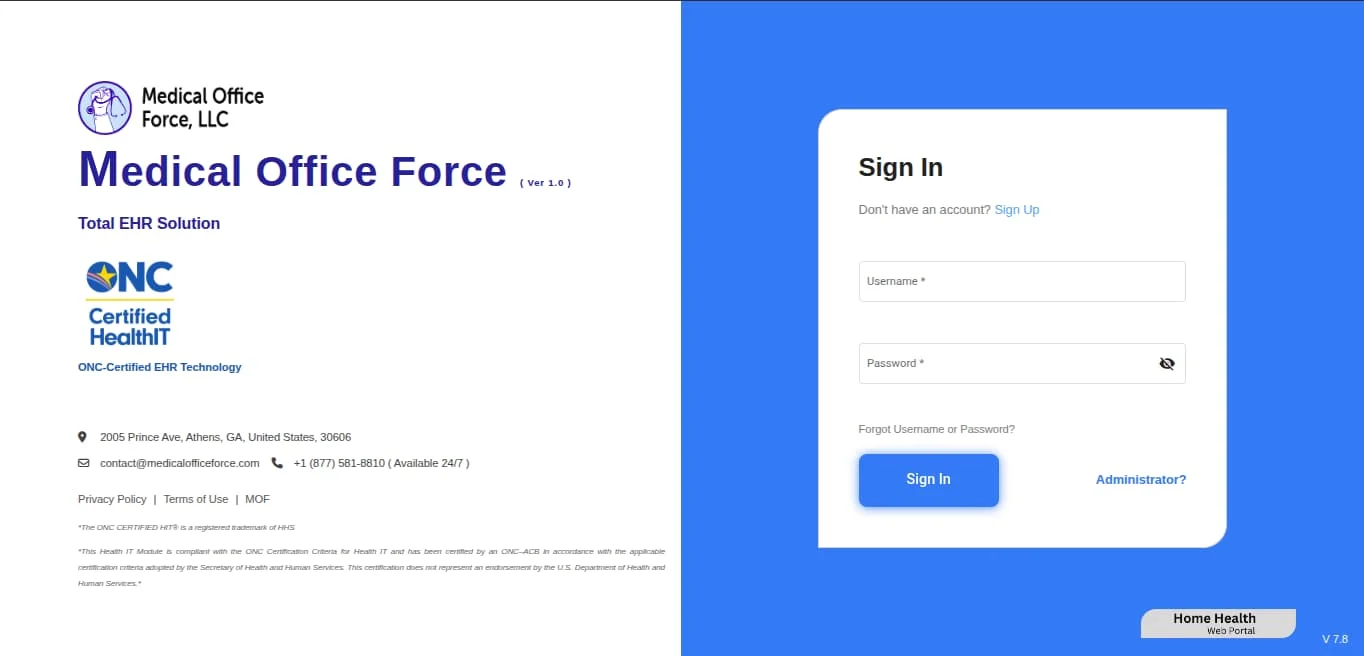
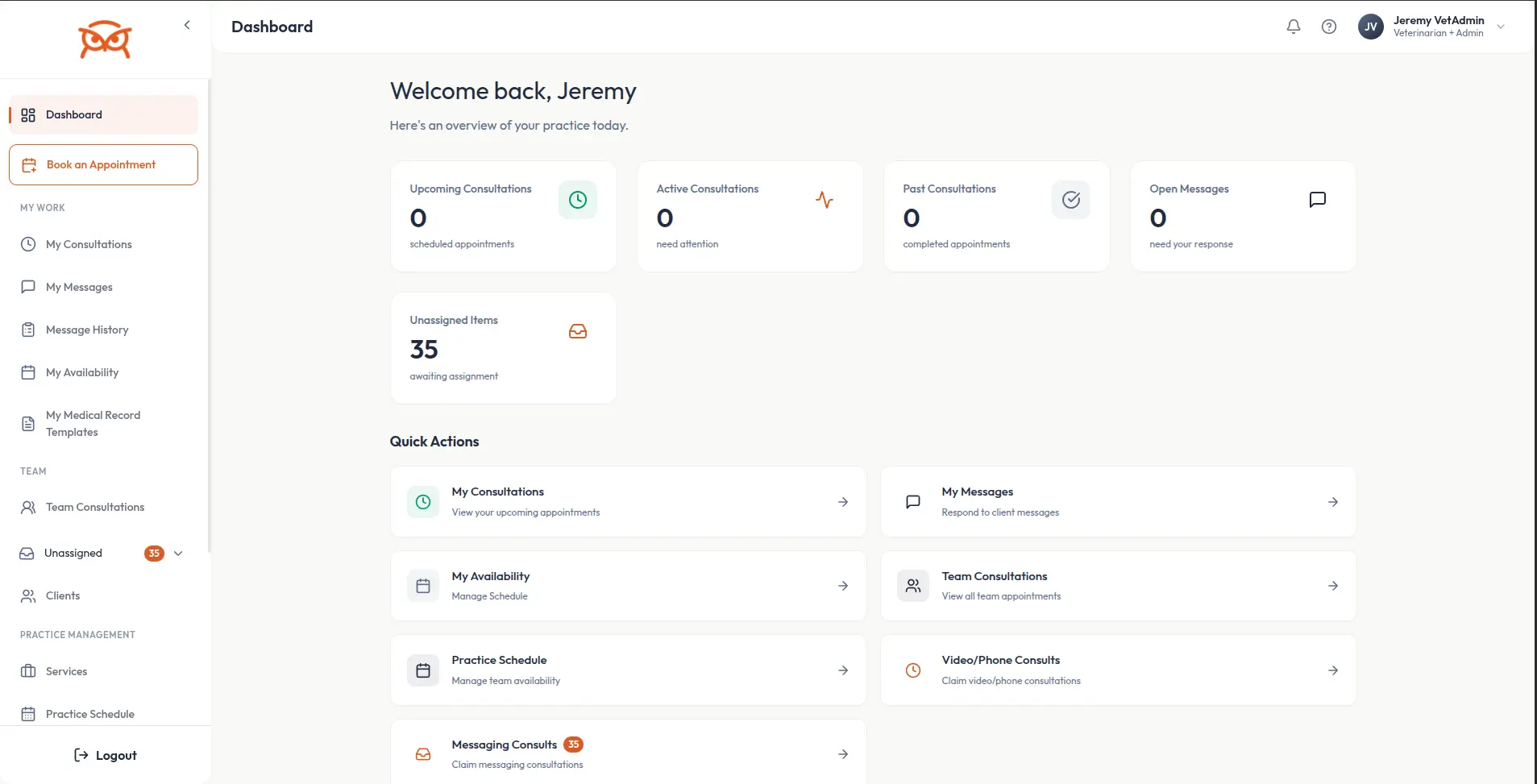
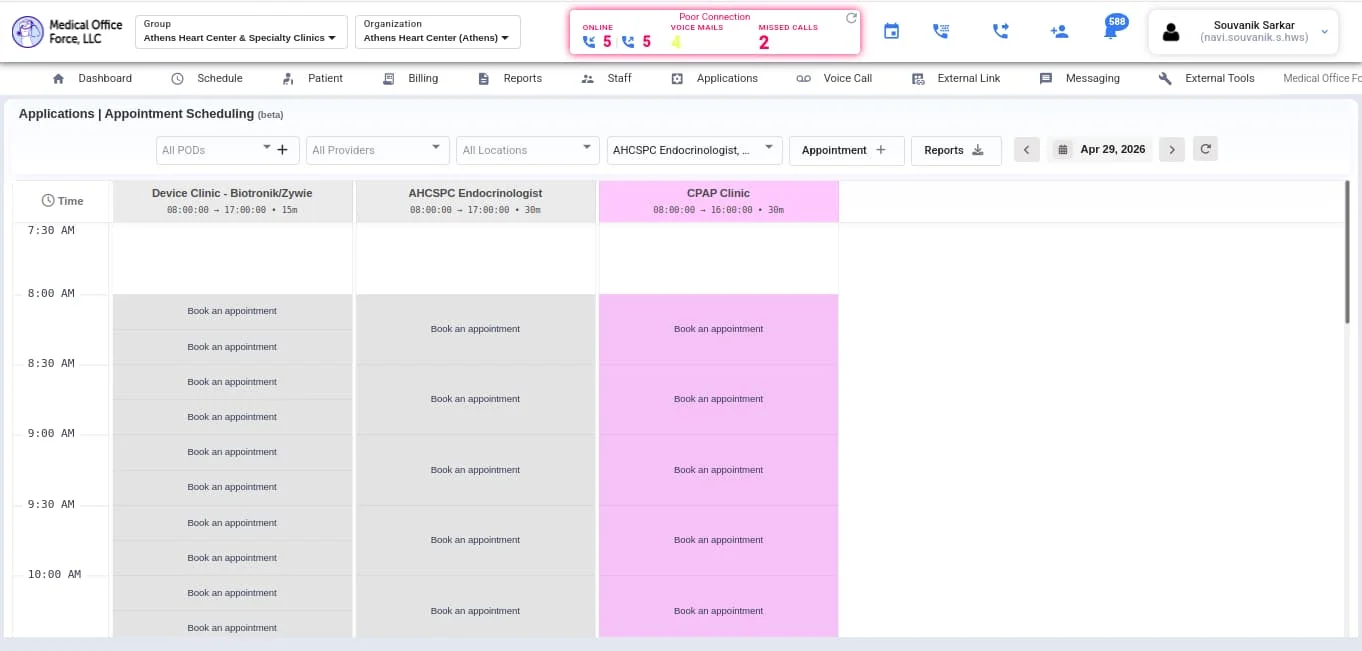
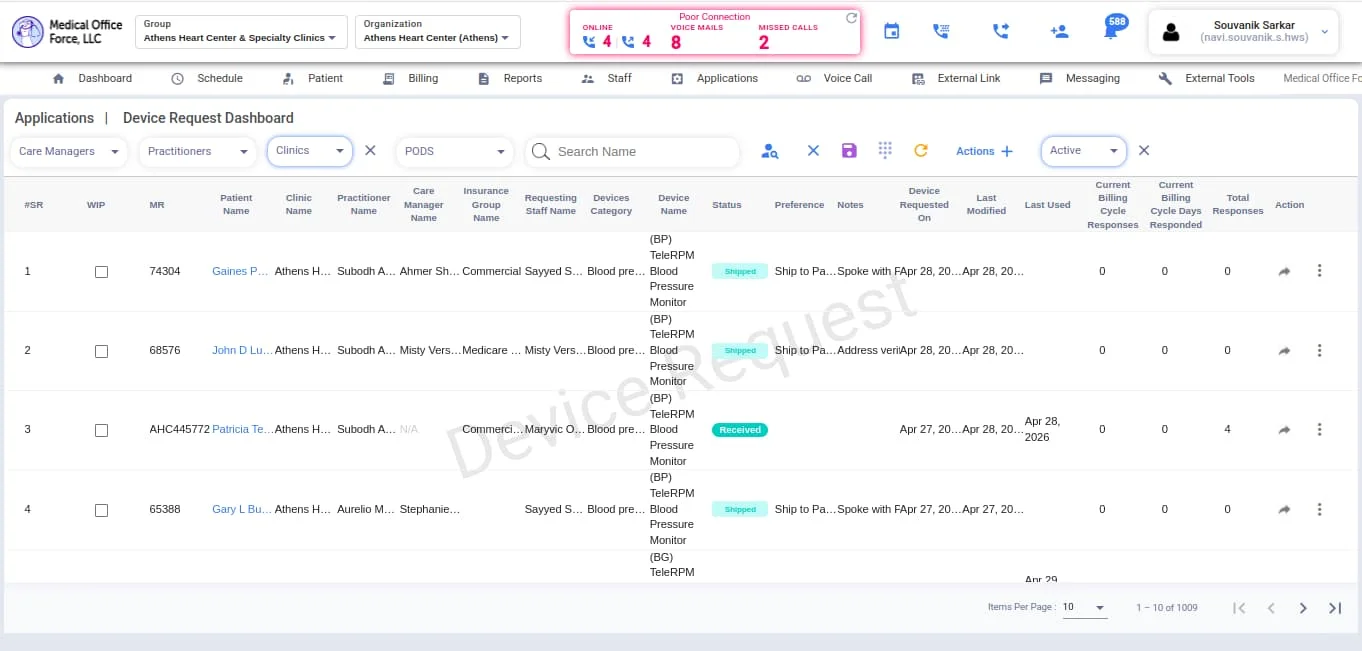
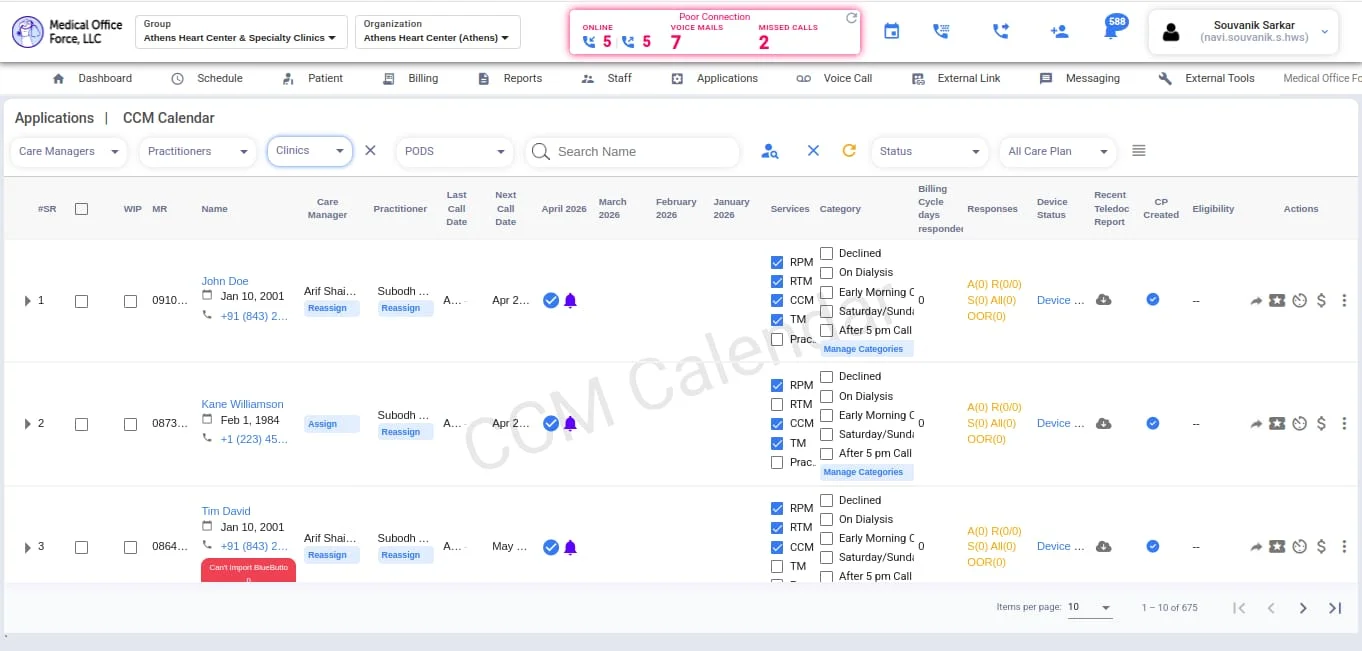
Medical Office Force is a full-stack healthcare platform designed to unify fragmented workflows inside clinics and hospitals. From electronic medical records and appointment scheduling to insurance billing and telehealth video calls, the platform replaces multiple point solutions with a single, cohesive experience for both staff and patients.
We confirmed every challenge with the team before writing a line of production code. The right column lists the pain points we tackled head-on and how we approached each one.
What wasn't working
BEFOREHIPAA-compliant data storage across multiple AWS regions
Implemented field-level encryption on DynamoDB with KMS-managed keys and strict IAM role boundaries per tenant.
Real-time sync across web and mobile clients
Used AWS API Gateway WebSocket connections with DynamoDB Streams to push delta updates instantly to all connected clients.
Insurance EDI format complexity
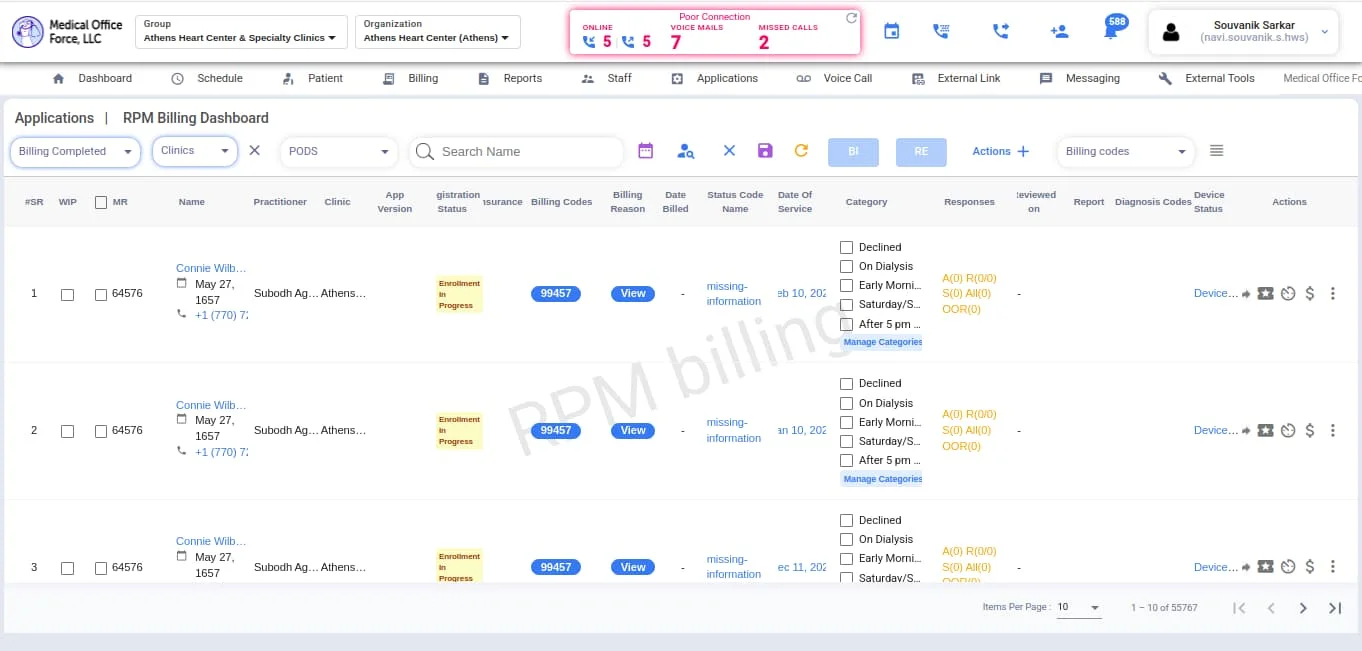
Built a middleware layer that translates internal data models into X12 837/835 EDI formats for major payers.
Don't over-engineer.
Solve what matters, ship fast.
The instinct on complex projects is to rebuild everything from scratch. We pushed back. A full rewrite often means months of regressions while engineering rebuilds features that were already working.
We mapped the existing workflow against actual usage. The result was clear: a small set of features accounted for the majority of user time. We rebuilt the core, shipped fast, and extended outward.
On the technical side, we made clear decisions early and held them. The right column shows what we chose, and why.
4 decisions we made early
CHOSEN / REJECTEDElectronic Medical Records (EMR) — how we built it
Custom Electronic Medical Records (EMR) — built for this product's exact needs and data model.
Generic SaaS tool that would require heavy workarounds and compromise the user experience.
Telehealth Video Consultations — how we built it
Custom Telehealth Video Consultations — built for this product's exact needs and data model.
Generic SaaS tool that would require heavy workarounds and compromise the user experience.
Insurance & Billing Automation — how we built it
Custom Insurance & Billing Automation — built for this product's exact needs and data model.
Generic SaaS tool that would require heavy workarounds and compromise the user experience.
AI Virtual Assistant — how we built it
Custom AI Virtual Assistant — built for this product's exact needs and data model.
Generic SaaS tool that would require heavy workarounds and compromise the user experience.
6 features that
define the product experience.
Every feature was scoped and shipped with the same priorities: speed, reliability, and staying out of the user's way.
Electronic Medical Records (EMR)
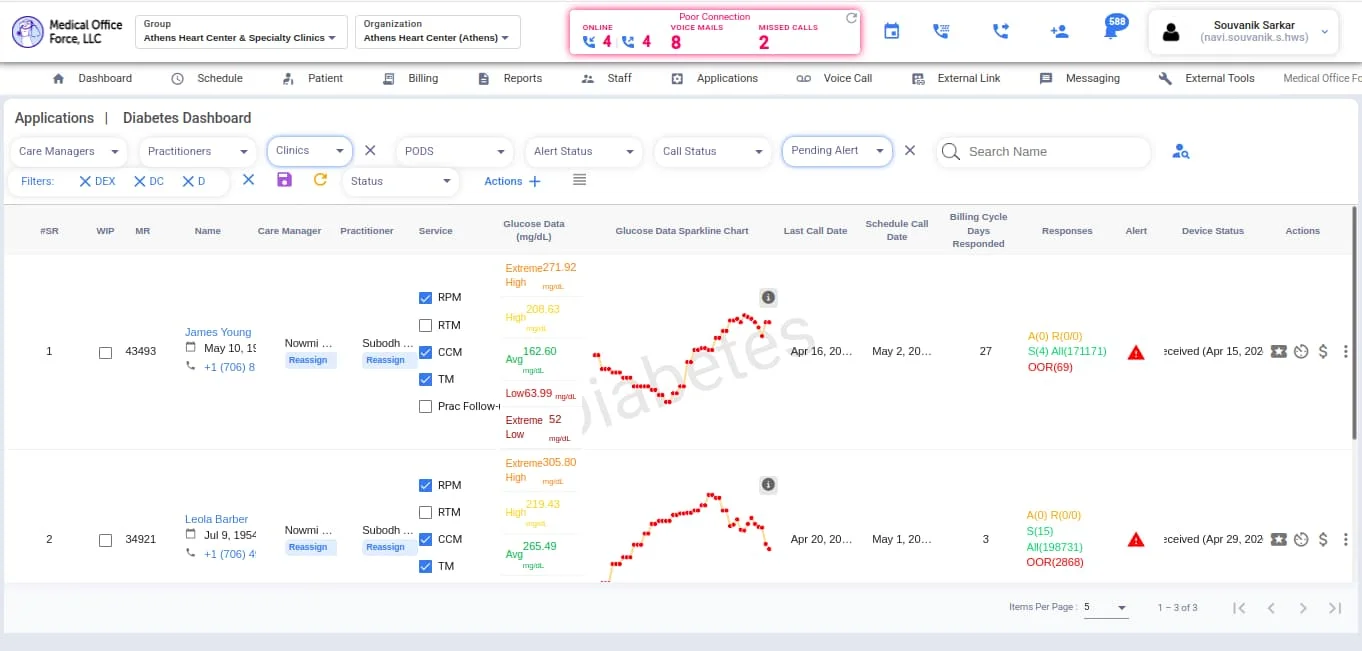
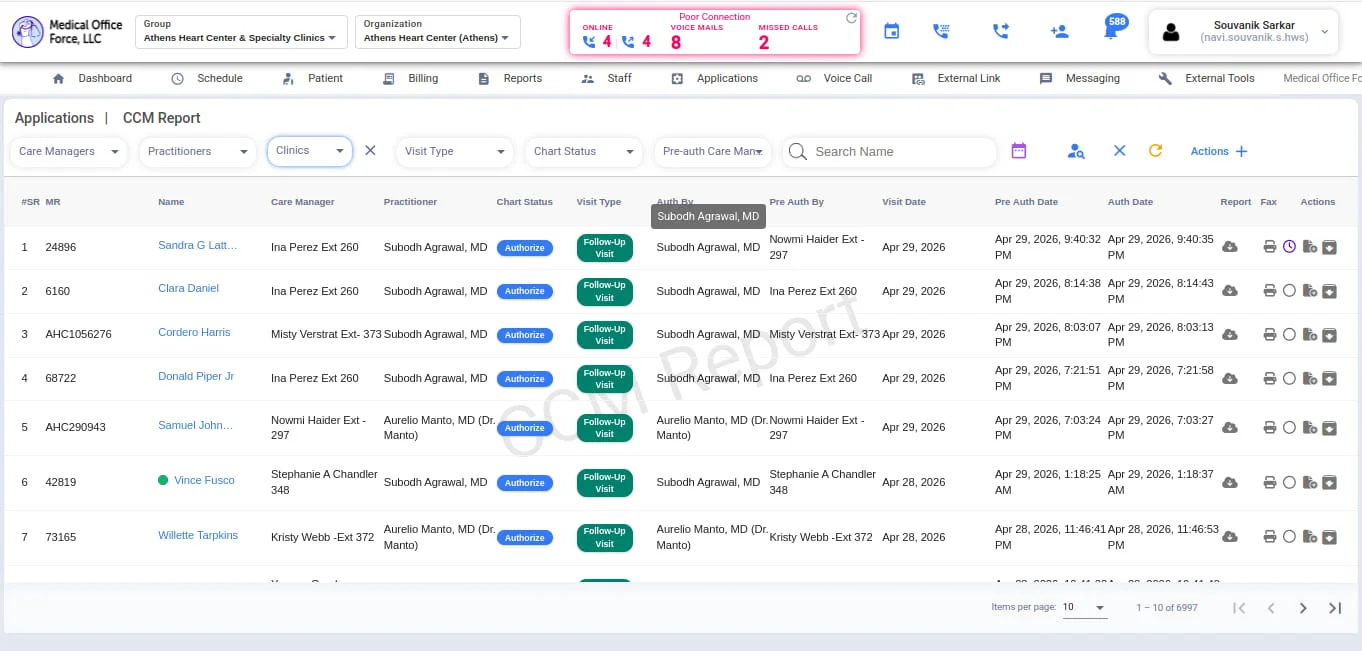
Structured patient records with diagnosis history, prescriptions, lab results, and notes accessible by authorised staff in real time.
Telehealth Video Consultations
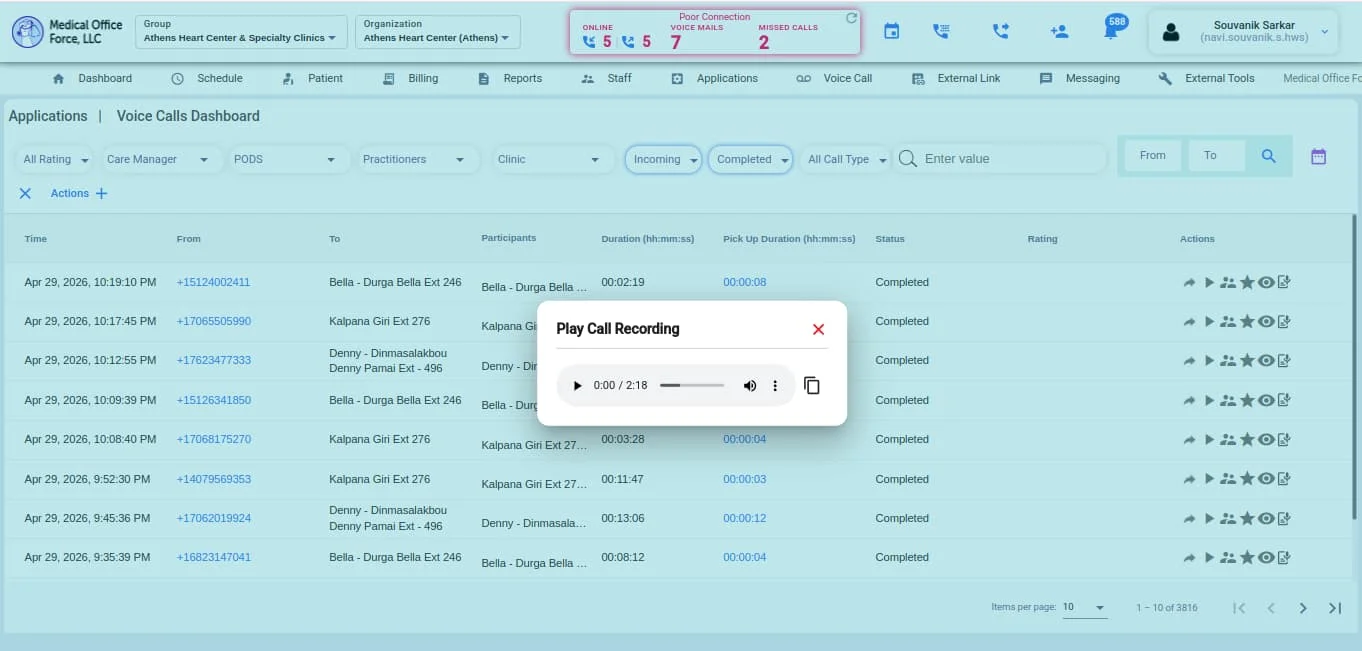
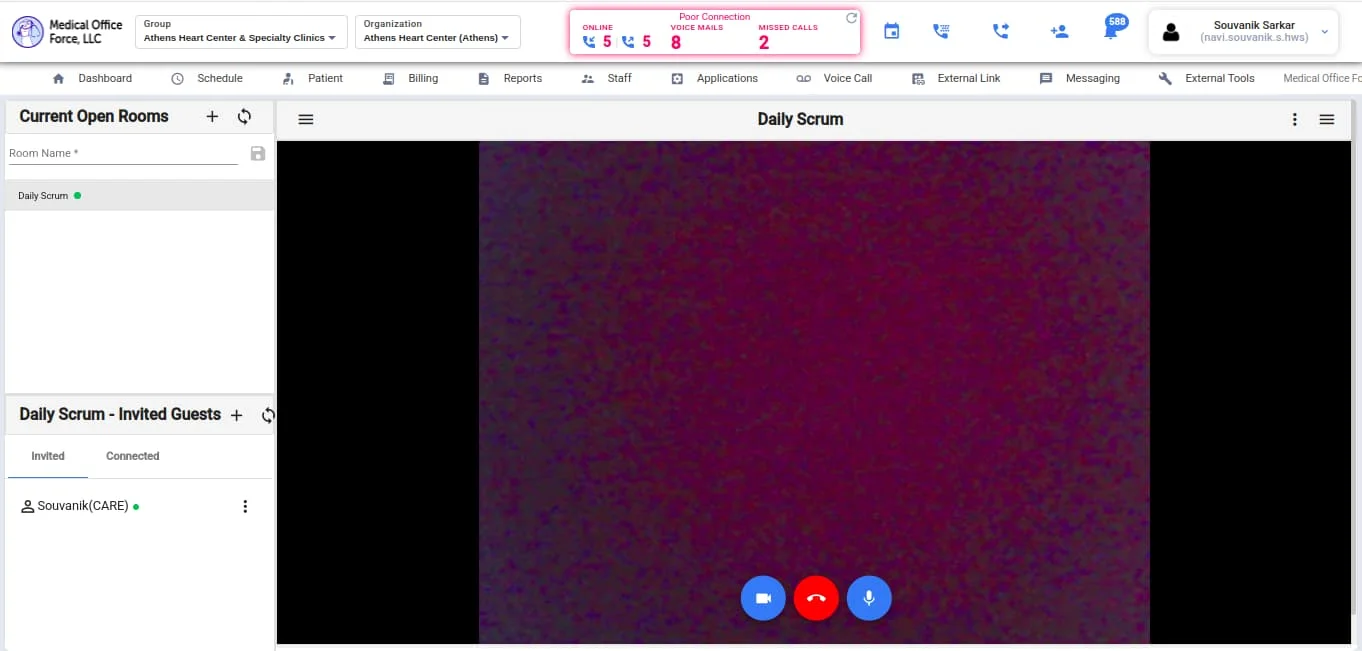
HIPAA-compliant video calls between patients and providers with screen sharing, chat, and session recording.
Insurance & Billing Automation
Automated claim generation, eligibility checks, and payment reconciliation, cutting billing cycles by 90%.
AI Virtual Assistant
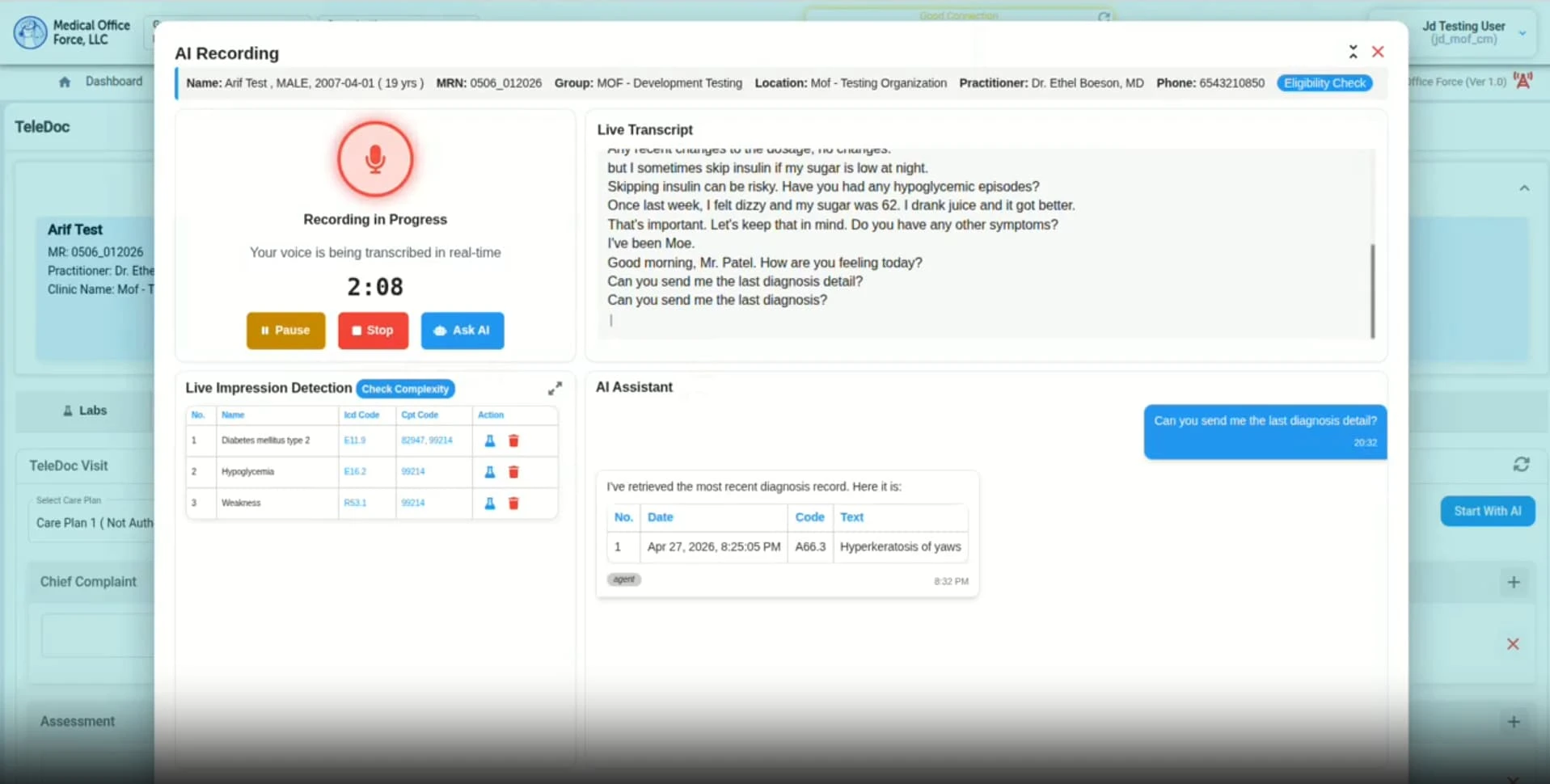
Conversational AI bot embedded in patient portal for symptom triage, appointment booking, and FAQ resolution.
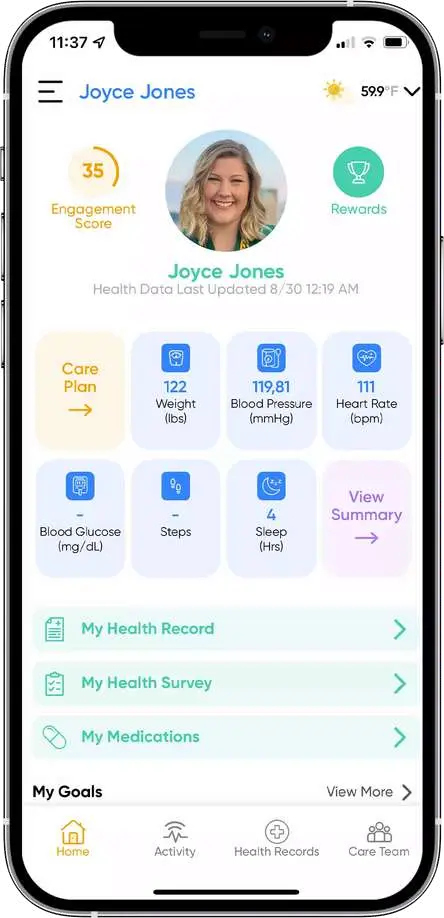
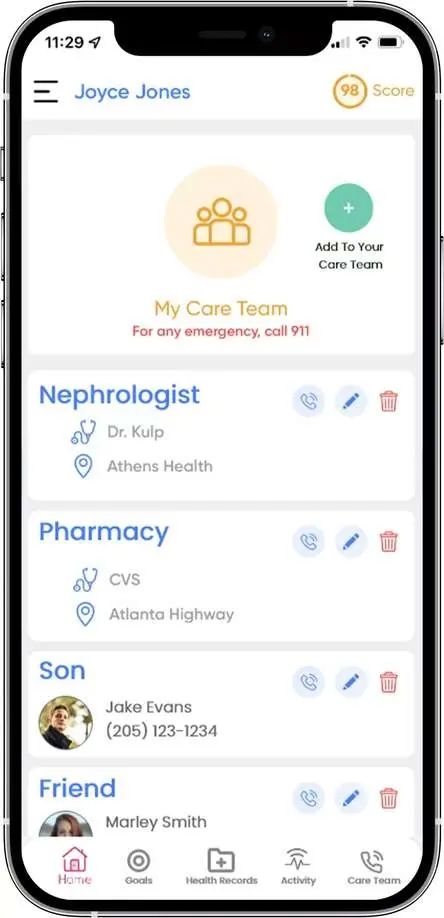
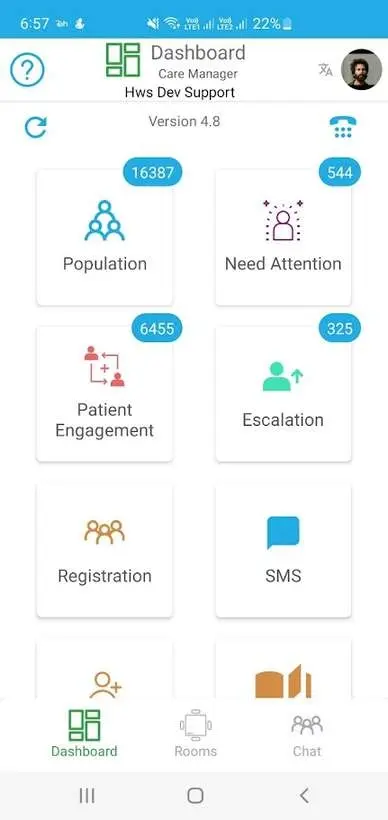
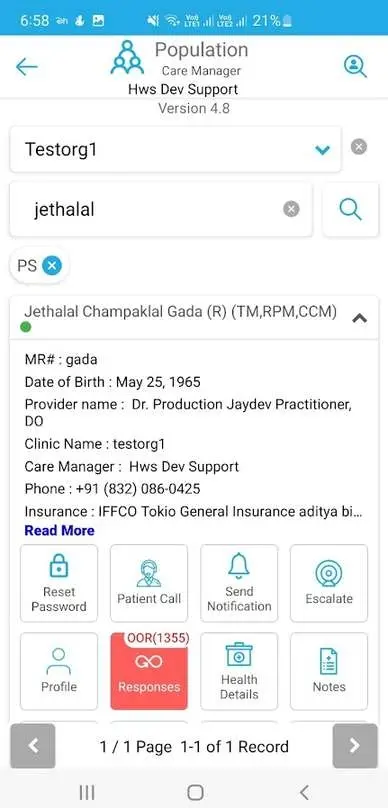
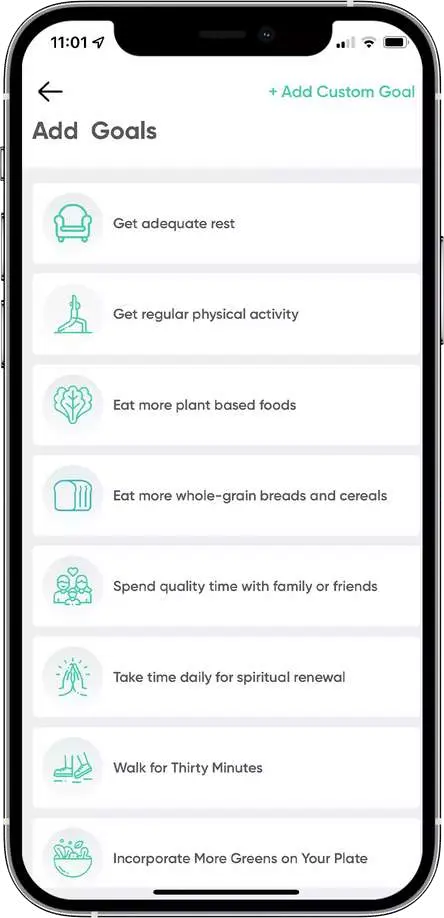
Patient Portal (Mobile App)
React Native cross-platform app for iOS & Android allowing patients to manage appointments, view results, and message doctors.
Real-time Notifications
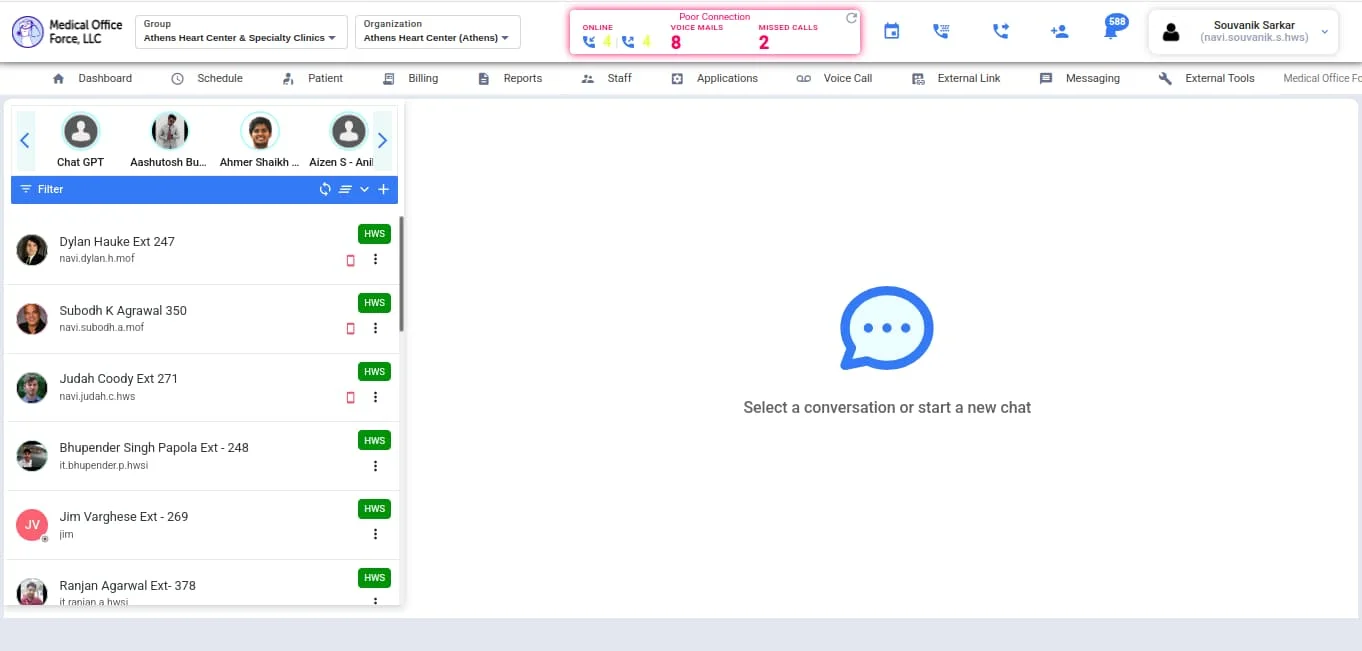
WebSocket-powered alerts for appointment reminders, lab result availability, and billing status updates.
What changed,
measured against the day-one baseline.
We benchmark before we touch anything, logging every metric below against its state before we wrote a line of production code.
What this build had to get right,
beyond the feature list.
- X12 837/835 EDI for insurance claims
- Field-level encryption on DynamoDB with KMS-managed keys and per-tenant IAM role boundaries
- HIPAA-compliant video consultations with screen sharing and session recording
Want to build
something like this?
We ship fast. Talk to us about your product idea and we'll tell you exactly how we'd approach it.